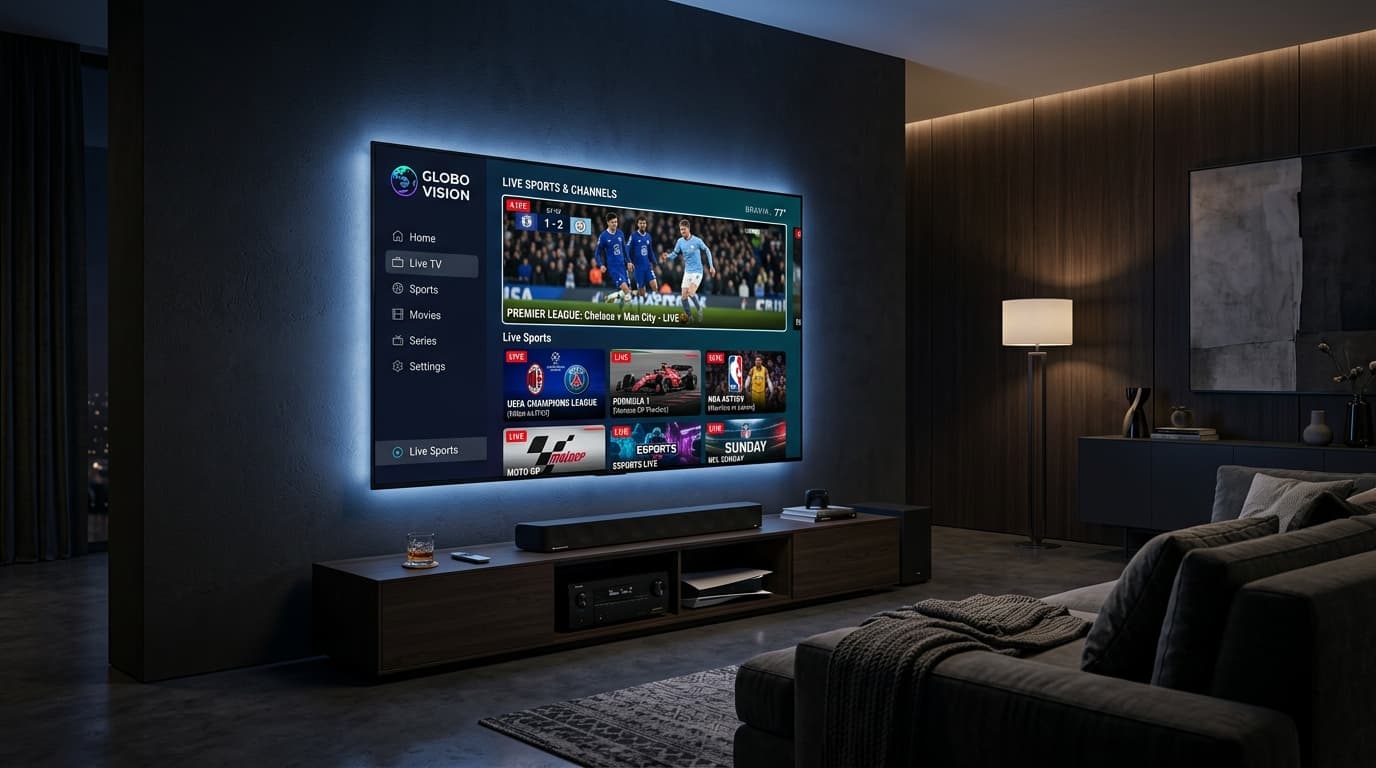
1. What Are IPTV Streaming Services and How Do They Work?
Internet Protocol Television (IPTV) represents a fundamental shift in how broadcast video reaches household screens. Traditional television relies on radio frequency signals sent through terrestrial antennas, coaxial cables, or satellite dishes. These legacy distribution systems broadcast all channels simultaneously, requiring physical tuning hardware to isolate one frequency.
In contrast, iptv streaming services deliver video content as digital data packets using standard internet protocols (IP)—the exact same underlying mechanism that powers modern web browsing and media streaming.
Unicast Streaming vs. Traditional Broadcast
The defining technical advantage of IPTV is unicast transmission. When you select a channel on an IPTV player, your device sends a direct request to the streaming server, which responds by routing only the specific data stream requested.
Because bandwidth is consumed only for the active feed, network operators can supply thousands of high-definition and Ultra HD feeds without congesting your local network. Unicast delivery also enables interactive viewer features that cable cannot match natively:
- Time-Shifted Television: Pause, rewind, and restart ongoing live programming.
- Catch-Up TV: Cloud-hosted archives that allow you to replay shows aired over the preceding 3 to 7 days.
- Video on Demand (VOD): Centralized film and series libraries accessible from the same interface as live broadcasts.
Playlists and Streaming Protocols
To receive digital broadcasts, your playback hardware relies on standardized streaming formats:
M3U Playlists
Plain text configuration files containing web URLs pointing to individual transport stream (.ts) or HLS (.m3u8) video chunks, compatible with nearly every media player.
Xtream Codes API
An advanced database authentication standard. Instead of loading a large static playlist, your player connects to an API endpoint using a server URL, username, and password, delivering faster channel loading and automatic EPG synchronization.
2. Why Switch to IPTV Subscriptions for Home Entertainment?
Traditional telecommunication providers have continually increased bundled subscription fees while locking subscribers into multi-year contracts with equipment rental charges. Switching to IPTV subscriptions provides consumers with freedom, transparent pricing, and greater flexibility.
Traditional Cable TV
- $90–$140 / month ongoing cost
- 2-year locked contract with penalties
- Proprietary set-top box rental fees
- Restricted to wired rooms
Modern IPTV Subscription
- $10–$20 / month equivalent pricing
- No long-term contracts; renew manually
- Plays on your existing smart devices
- Multi-screen freedom at home or traveling
Cost Efficiency and Content Variety
The primary motivator for cord-cutting remains cost reduction. The average household cable bill often exceeds $100 per month when accounting for local sports surcharges, receiver rental fees, and taxes.
Modern digital television platforms eliminate the overhead of physical utility infrastructure and proprietary set-top boxes. As a result, comprehensive channel packages that include cinema networks, international programming, and live sports can be accessed at a fraction of standard utility rates.
Device Flexibility and Multi-Screen Viewing
Legacy television ties viewing to specific rooms with coaxial wiring. With modern digital solutions, your entertainment moves with you across Smart TVs running Samsung Tizen or LG webOS, Amazon Firestick and Fire TV streaming sticks, Android TV boxes, Apple TV devices running tvOS, smartphones and tablets (iOS and Android), and desktop computers.
Explore our directory of compatible streaming devices to confirm optimal setup instructions for your hardware.
3. Key Features to Look For in Premium IPTV Providers
While hundreds of vendors market streaming packages online, the underlying quality of service varies drastically. When evaluating premium iptv options, prioritize the following foundational technical elements:
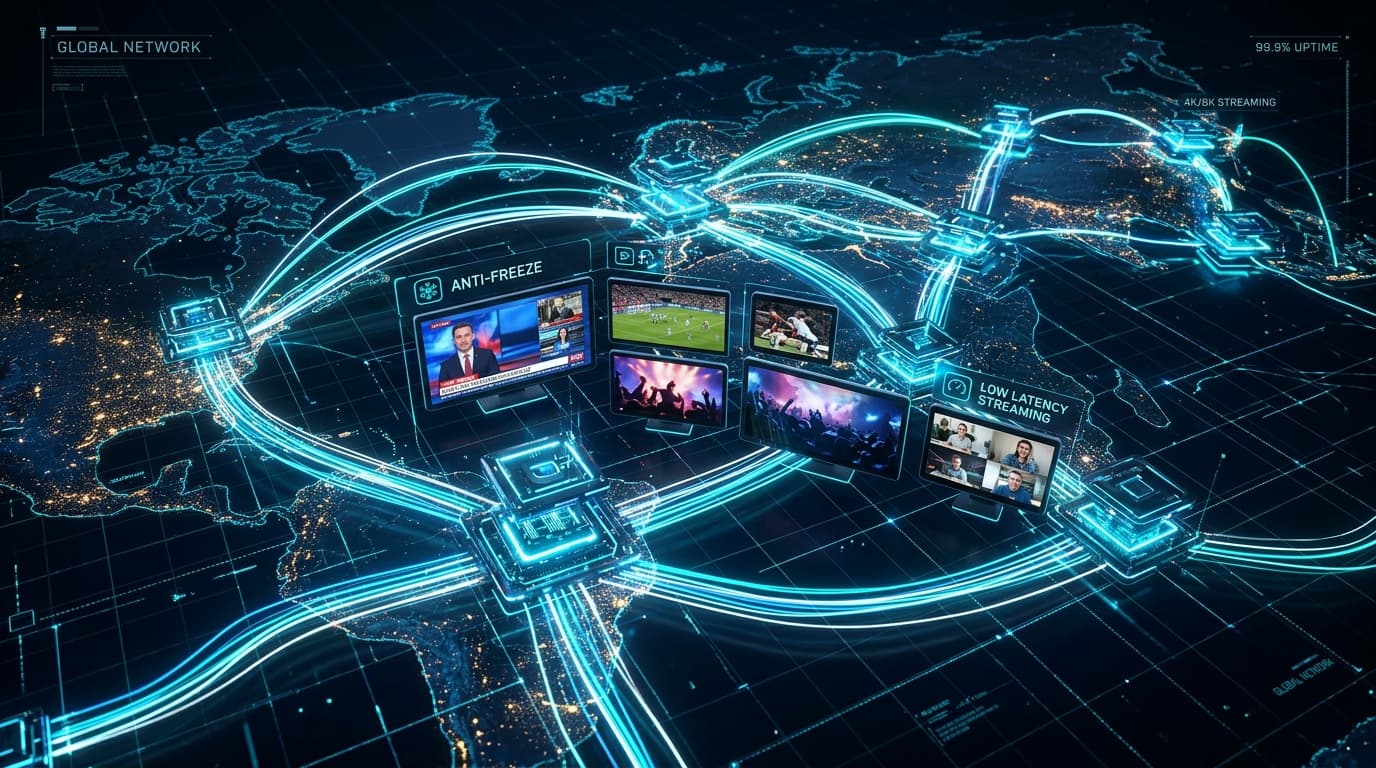
Dedicated CDNs and Anti-Freeze Architecture
The single most critical differentiator in live streaming is server stability during high-demand events. Major sporting events, championship finals, and primetime premieres generate massive traffic spikes.
Unprepared providers experience server overload, resulting in looping audio, packet loss, and video freezing. Leading providers deploy geographically distributed Content Delivery Networks (CDNs) with automatic load balancing. If an edge node experiences traffic congestion, your connection seamlessly fails over to an adjacent server without interrupting your viewing. Review our technical breakdown of IPTV streaming features to understand how load balancing ensures steady transmission.
Stream Resolution: True 1080p and Native 4K Feeds
Marketing materials often advertise "4K channels," yet many services simply upscale heavily compressed 720p streams. Upscaling introduces digital artifacts and motion blur during fast-moving athletic broadcasts.
Authentic high-resolution providers broadcast uncompressed 1080p feeds running at 50 or 60 frames per second (FPS), alongside dedicated 4K Ultra HD feeds for major networks. Verify that your provider maintains high bitrates (at least 12 to 18 Mbps for 4K streams) so your screen displays rich colors and crisp detail.
Electronic Program Guide (EPG) Accuracy
An IPTV provider is only as enjoyable as its user navigation. A comprehensive Electronic Program Guide (EPG) transforms raw channel lists into an organized television grid showing current and upcoming program titles, accurate scheduling offsets synchronized to your local time zone, and indicators showing which programs support 7-day catch-up playback.
4. Comparing IPTV Subscription Plans: Durations and Value
Reputable providers structure their offerings across distinct durations so users can choose the commitment level that fits their household needs. Selecting among different IPTV subscription plans requires balancing monthly flexibility against long-term cost savings.
| Plan Duration | Ideal Use Case | Commitment Level | Flexibility | Overall Value |
|---|---|---|---|---|
| 1-Month Plan | Initial testing, temporary event viewing, seasonal sports | Lowest | High (renew manually) | Good entry point |
| 3-Month Plan | Regular quarterly viewers, short-term renters | Low | Moderate | Balanced |
| 6-Month Plan | Established households, consistent sports seasons | Medium | High savings / month | High value |
| 12-Month Plan | Long-term cord cutters replacing permanent cable | Highest | Maximum annual discount | Best overall value ⭐ |
Which Plan Duration Should You Choose?
- First-Time Users: If you are testing a service for the first time, starting with a 1-month term allows you to verify video quality, channel availability, and customer service responsiveness without a significant financial commitment.
- Experienced Streamers: Once you have confirmed that a service performs reliably across your home devices, moving to a 6-month or 12-month tier significantly reduces your effective monthly cost while locking in continuous service throughout major sporting seasons.
View our complete breakdown of duration options and features on the IPTV subscription plans page.
5. Red Flags and Traps to Avoid When Buying IPTV Services
The open nature of the IPTV industry creates opportunities for disreputable sellers to exploit uninformed buyers. Protecting your payment information and household entertainment budget requires recognizing standard industry warning signs:
One of the most persistent traps online is the promise of a "lifetime subscription" for a single flat fee (such as $40 or $60). Maintaining live broadcast servers, licensing bandwidth across global CDNs, and supporting technical infrastructure require continuous monthly operational expenses. Any provider claiming to offer permanent access for a one-time fee is operating an unsustainable model. In almost every case, these services vanish within a few weeks or months, leaving subscribers with non-functional credentials and zero recourse.
Many low-cost storefronts do not own or manage their own streaming servers. Instead, they purchase bulk account allocations from wholesale panels and resell them with high markups. Because these resellers lack direct server access, they cannot troubleshoot stream outages, update broken links, or expand bandwidth when servers freeze. Always choose established platforms that maintain dedicated technical desks.
Always confirm that your provider uses transparent, non-recurring checkout methods. Trustworthy platforms allow you to purchase a set period (such as 3 or 12 months) and manually choose when to renew your access, preventing unwanted automatic charges if you choose to pause your subscription.
6. Best Devices and Applications for Smooth IPTV Playback
Your streaming experience depends on two components working in harmony: your streaming provider's server feed and the software application installed on your device. Choosing the right player ensures rapid channel switching, intuitive program guide navigation, and reliable audio synchronization.
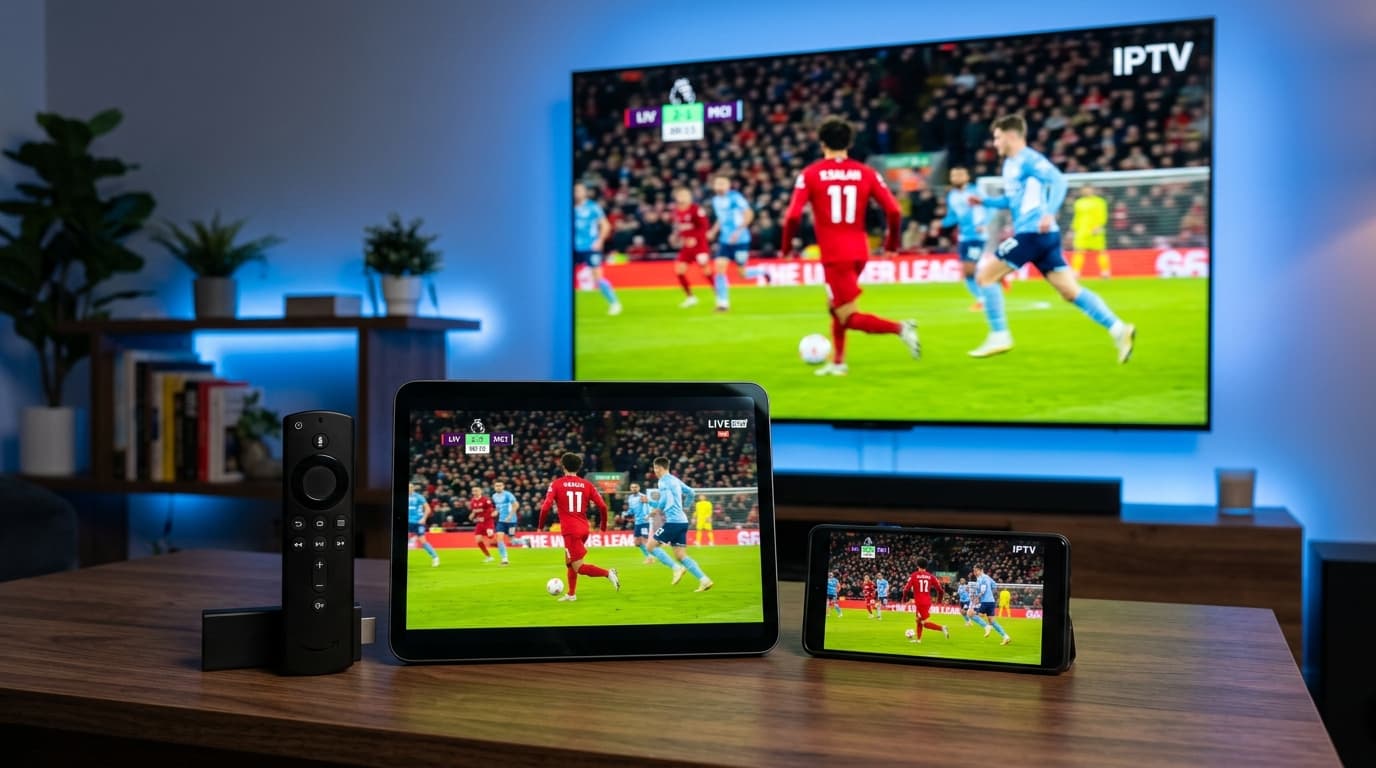
Firestick & Fire TV
The most popular streaming hardware worldwide. Affordable, easily portable, and compatible with all major player applications.
Android TV & Shield
Devices like the Nvidia Shield TV Pro provide powerful video decoders that handle high-bitrate 4K 60FPS content effortlessly.
Smart TVs (Samsung / LG)
Modern television operating systems support native IPTV player applications downloaded directly from their internal app stores.
Top-Rated IPTV Player Applications
- TiviMate (Android / Fire TV): Widely recognized as the benchmark IPTV player for television remotes. Features a polished modern interface, multi-screen viewing, customizable channel groups, and advanced recording tools.
- IPTV Smarters Pro (Multi-Platform): Highly versatile and intuitive, offering dedicated releases across Android, iOS, Windows, macOS, Samsung Tizen, and LG webOS.
- IBO Player & XCIPTV: Lightweight alternatives optimized for fast channel changes on entry-level streaming hardware.
For step-by-step installation walkthroughs for your specific device, consult our comprehensive IPTV setup tutorials.
7. Frequently Asked Questions (FAQ)
What internet speed do I need for IPTV streaming services?
A stable download speed of at least 15 Mbps is recommended for standard High Definition (1080p) streams. For uncompressed 4K Ultra HD broadcasts and live sporting events running at 60 frames per second, a connection speed of 30 to 50 Mbps ensures smooth playback without buffering.
What is the difference between an M3U playlist and an Xtream Codes API login?
An M3U playlist is a text file or URL containing a static list of channel web addresses. An Xtream Codes API login is a dynamic connection method requiring a server URL, username, and password. Xtream Codes connects directly to the provider's database, providing faster loading, automatic category sorting, and real-time program guide synchronization.
Do I need a VPN to use an IPTV service?
While reputable streaming servers function over standard broadband connections, using a Virtual Private Network (VPN) can be beneficial if your local Internet Service Provider (ISP) actively throttles high-bandwidth video traffic during peak evening hours or major sporting broadcasts. A VPN encrypts your traffic, preventing your provider from inspecting and limiting your video stream.
Can I watch an IPTV subscription on multiple devices simultaneously?
Yes, depending on your subscription tier. While credentials can typically be configured on multiple devices throughout your home, simultaneous connections require a multi-device plan. Check your subscription specifications before sharing access across multiple rooms.
How quickly are my credentials delivered after placing an order?
Established platforms automate order fulfillment, delivering your Xtream Codes credentials and M3U playlist access URLs to your registered email address within minutes of payment confirmation.
For additional answers regarding account management, payments, and compatibility, review our comprehensive frequently asked questions about IPTV.
Conclusion: Upgrade Your Home Entertainment Today
Transitioning to modern digital television allows you to cut the cord with confidence, combining vast global channel catalogs and high-definition sports with substantial cost savings. By selecting a provider that invests in dedicated CDN architecture, offers transparent non-recurring terms, and supports standard player protocols, you can enjoy a dependable, high-quality television experience on any screen in your home.
Ready to transform your viewing experience?
Explore our flexible, contract-free subscription plans and start enjoying premium live channels, movies, and sports today.